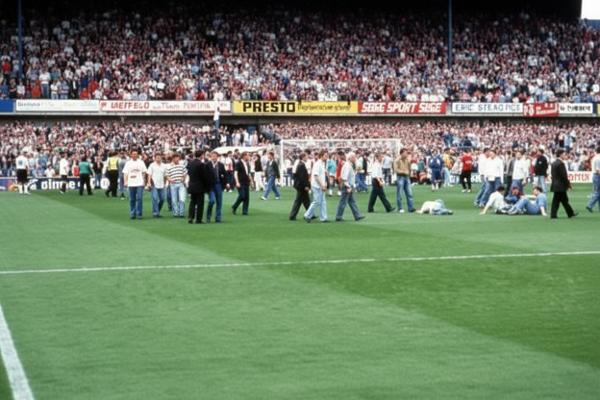
The investigation also found that police tried to shift the blame onto the supporters after the tragedy. The report confirms that officers altered their statements to remove criticisms of the policing, and spread false narratives about supporter behavior despite a lack of evidence. These narratives claimed that supporters were drunk, did not have tickets, or were disorderly, but there was no evidence to support these claims.
The bereaved families and survivors, who have been fighting for the truth for decades, say that the findings validate their long-held arguments. However, many expressed frustration that no disciplinary action can be taken against the officers, as they have all retired. The report notes that current regulations do not allow for retrospective misconduct proceedings against former officers in this situation.
The investigation's findings reinforce the conclusions of the 2016 inquests, which found that the 97 victims were unlawfully killed and that the behavior of the supporters did not contribute to the disaster. The only person to be convicted over the disaster was former Sheffield Wednesday Football Club secretary Graham Mackrell.
The report highlights the repeated failures of institutions before and after the tragedy and emphasizes the importance of honesty from public bodies. It suggests that earlier transparency would have prevented years of unnecessary distress for the families.
The publication of the report marks one of the final major investigations into the disaster, providing the most comprehensive official account to date of the policing failures that led to Britain's worst stadium tragedy.